
Indoor air quality directly affects worker safety along with environmental compliance. In workplaces where exposure to chemical fumes, fine particles or poor ventilation is common, air quality becomes a measurable risk. Indian regulatory bodies now ask for formal checks at fixed intervals. These apply across sectors including manufacturing, laboratories, storage spaces, clean rooms and enclosed workshops.
Clean air is no longer a comfort feature. It is part of an organisation’s duty to maintain safe working conditions. That makes regular and standardised testing a basic operational need.
NABL Accreditation Brings Regulatory and Technical Trust
Indoor air quality accredited labs follow written testing guidelines. These standards are based on international standards of reference. The accreditation provides that all the outcomes are backed by adequate calibration, controlled sampling and professional analysis. Tests can be done in a laboratory that is not NABL recognized. Its reports however may not be useful in inspections or law suits.
All accredited laboratories are audited periodically. Its testing tools are verified to be consistent. It has a national format of reporting. It is what distinguishes an internal audit and a recognised environmental record.
Indoor Pollutants Are Often Invisible or Misjudged
Most air pollutants are odourless or cannot be detected without technical equipment. Individuals can be uncomfortable without any idea of the reason. The most prevalent indoor pollutants that are observed during the inspections are:
- Suspended particulate matter from fuel combustion and machinery use.
- Chemical residues like VOCs from adhesives, paints or solvents.
- Microbial growth caused by water leakage or poor maintenance.
- Ozone and nitrogen dioxide from electronic equipment or fuel systems.
- Carbon monoxide build-up in closed parking or equipment zones.
Each pollutant affects workplace safety differently. Each one requires a specific method for collection and analysis.
Occupational Exposure Must Follow Threshold Limits
Companies cannot rely on average air quality values meant for open outdoor spaces. Indoor air behaves differently. Enclosed workspaces hold contaminants for longer durations. Employee exposure depends on shift length, ventilation quality and task type. That is why regulatory standards define workplace exposure thresholds.
NABL-accredited labs do not provide generalised readings. They focus on actual exposure conditions. Their reports reflect time-weighted averages across the work zone. This data supports both employee health and employer compliance.
Why Internal or Handheld Testing Is Not Enough
Maintenance teams in most facilities have handheld devices that measure simple air quality. These instruments are mere short-term pointers. They present superficial findings without being backed by controlled sampling. The outcomes can be different depending on the time of the day, weather or equipment functioning. These readings cannot be used to support legal or quality documentation without lab-grade verification.
Accredited labs run controlled sample analysis. They follow fixed parameters for sample timing, location, and analysis conditions. They provide traceable, reviewed reports that stand in formal audits.
Air Quality Impacts Production and Storage Stability
In sensitive industries like electronics, printing, food storage or cleanroom manufacturing, air contaminants can cause surface residue, equipment malfunction or product spoilage. Even a small rise in humidity or chemical residue can lower product shelf life or output accuracy.
This is why indoor air quality is now treated as a process quality factor. It affects packaging success, sterile zone maintenance and material handling. An accredited lab helps confirm that internal air systems meet batch-wise production needs.
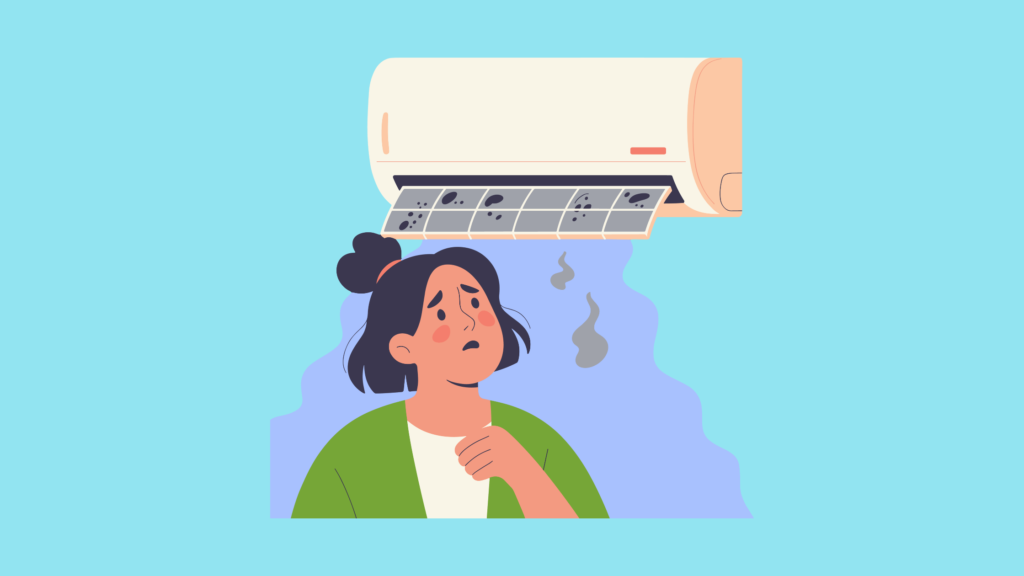
NABL Labs Support Environment, Health and Safety Documentation:
Many global companies now ask Indian suppliers to provide verified safety records. This includes water, air and soil testing data. An accredited indoor air quality lab supports this request with properly referenced reports. These records help in contract documentation, client reporting and supplier audits.
Labs also support documentation for ISO audits and EHS certifications. The credibility of data becomes part of a company’s profile. Without lab-accredited reporting, many businesses face rejections in upstream checks.
Accreditation Means Standardisation Across Locations
Lab partnerships offer uniformity to companies that have more than one location. The lab uses the same testing procedure on all the sites. This implies that the report format, thresholds and logic of analysis are the same. It minimizes confusion in the review and eases the corrective planning.
This standardisation facilitates corporate planning. It enables comparison of air quality across branches, plants or zones easily. That assists the management in making decisions regarding air filtration systems, material changes or redesigning processes.
Real-Time Alerts Are Not a Substitute for Lab Testing
Sensors can be used to check temperature, pressure or gas leakages. However, these systems do not replace lab-grade sampling. A sensor is able to detect trends, but not pollutant composition or precise exposure values. The information may not be verified and may not stand in the environmental audits.
The gravimetric, chromatographic or microbiological analysis can only be conducted in a lab. These methods provide the legal and clinical skills needed in safety planning. They are also applied to ensure that control measures like HEPA filters or fume extractors are operating as intended.
Accredited Testing Can Support Legal Protection
In case of health complaints or exposure-related incidents, documented testing can become part of legal defence. If the air quality was tested through a certified lab, the data becomes admissible proof. If testing was informal or undocumented, the claim may go unsupported.
This applies to both worker protection cases and third-party insurance claims. The more structured the testing history, the better a company’s legal standing.
Why Air Quality Testing Should Be Scheduled, Not Reactive
Most companies turn to air testing only after facing complaints. By then, the exposure has already occurred. That is why proactive testing is better. It builds a history of safe conditions. It gives managers time to plan corrections. It also shows regulators that the company takes safety seriously.
Scheduling tests every quarter or during seasonal changes helps track patterns. It gives better control over building maintenance, filter replacement or HVAC updates.
Sustainability Goals Now Include Indoor Air Data
Sustainability has ceased to be about emissions or power consumption. It encompasses the way companies take care of their internal environment. Environmental, Social and Governance data now includes air quality in the workplace. The company offers safe and controlled working environment as verified air reports indicate.
Such reports can also be used to back green building ratings or environmental disclosures. This data is used in annual reports or investor meetings by many firms.
Conclusion
Indoor air quality affects people, products and process outcomes. It is a measurable variable that reflects how well a workplace is managed. Testing must not be a one-time activity. It must be part of a regular and formal process supported by a qualified lab.
ISSPL Lab is a NABL-accredited laboratory providing full indoor air quality testing. It helps businesses to comply with regulations, safeguard the health of workers and ensure the quality of processes with a high degree of data accuracy and scientific integrity.
FAQs
What does an indoor air quality test include?
A test includes sampling for dust particles, chemical fumes, biological contaminants, gas levels and humidity across critical workplace zones.
Why is NABL accreditation important for air testing?
NABL accreditation confirms that the lab follows validated test methods and quality systems that meet national and international regulatory standards.
How often should indoor air quality be tested in workplaces?
Air testing must be conducted at least once every quarter or during seasonal changes to track exposure risks and prevent air-related hazards.