
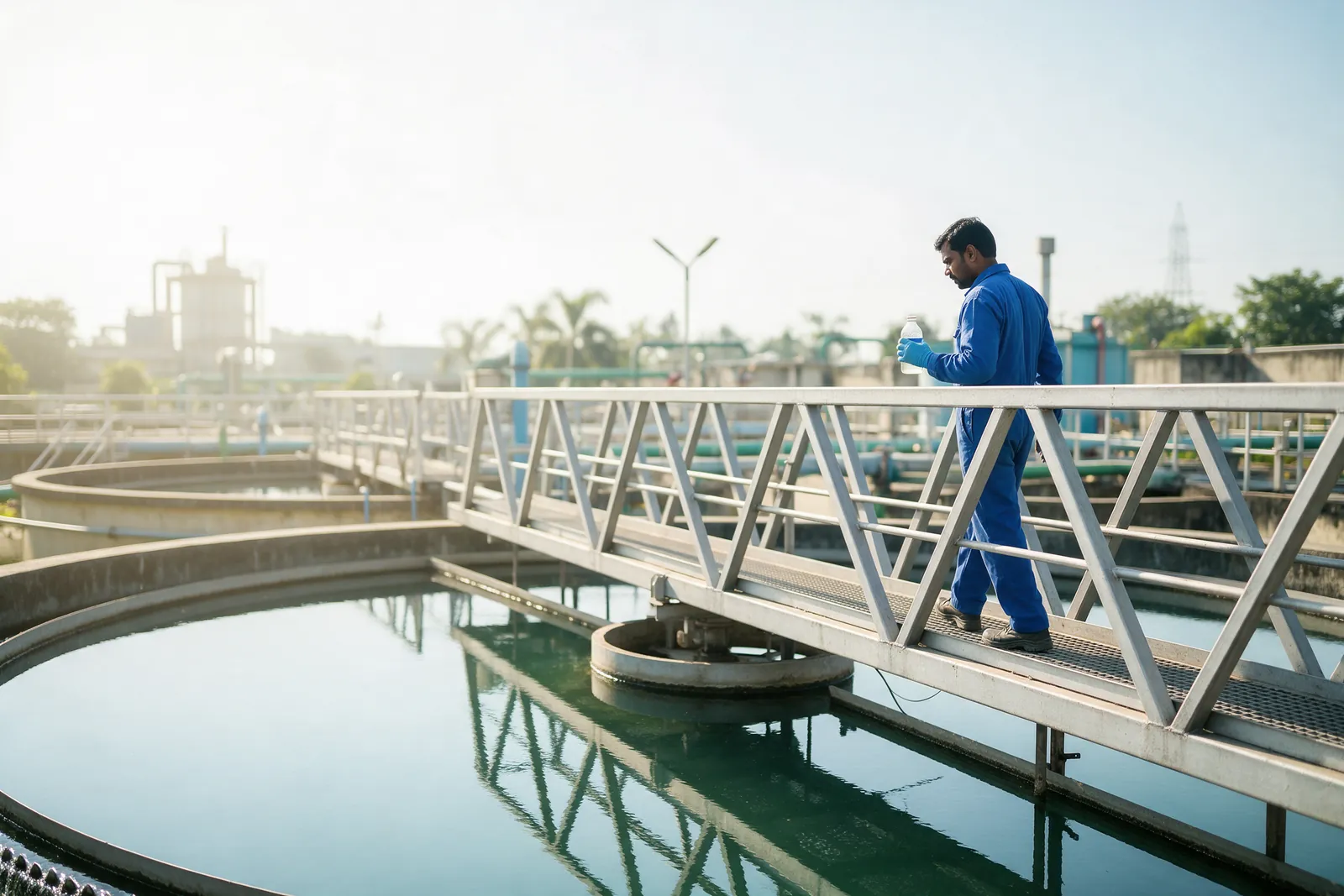
The Unseen Crisis: Why Waste water Testing Matters
Every day, 80% of global waste water flows untreated into ecosystems – enough to fill 40 million Olympic-sized pools annually. This invisible tsunami carries pathogens, microplastics, and chemical cocktails that threaten 1.8 billion people with waterborne diseases while choking aquatic life. Enter waste water testing: the scientific sentinel decoding these liquid threats.
Key Takeaways
- Global Imperative: 53% of US rivers and 71% of lakes are contaminated with untreated waste water.
- Tech Revolution: AI-powered sensors now detect contaminants at parts-per-trillion levels.
- Economic Impact: Non-compliance can lead to heavy penalties for industries.
- Health Shield: Proper testing reduces cholera risks by 90% in endemic regions.
- Climate Link: Methane from untreated waste water accounts for 3% of global GHG emissions.
The Science of Survival: Why We Test Waste water
1. Environmental Armor
- Ecosystem Protection: Untreated waste water reduces dissolved oxygen below 2 mg/L – lethal for 90% of fish species.
- Toxic Cocktails: Each liter contains 5,000+ chemicals including PFAS (“forever chemicals”) and endocrine disruptors.
- Eutrophication: 65% of India’s lakes suffer algal blooms from phosphate-rich discharges.
2. Public Health Sentinel
- Pathogen Radar: COVID-19 surveillance in Delhi’s waste water predicted case surges 7 days before clinical reports.
- Drug Resistance: 75% of Indian hospital waste water contains carbapenemase genes enabling superbugs.
3. Industrial Compliance Engine
| Parameter | Limit (CPCB Standards) | Common Violations |
|---|---|---|
| BOD | 30 mg/L | 120 mg/L (Textile Effluents) |
| Heavy Metals | 0.1 mg/L (Cd) | 2.3 mg/L (Tanneries) |
| pH | 5.5–9.0 | 3.2–11.8 (Dye Industries) |
Source: ISSPL Compliance Reports
Technological Vanguard in Waste water Testing
Real-Time Monitoring Systems
- Sensor Arrays: IoT-enabled probes measure 15 parameters simultaneously with 99.8% accuracy.
- Microfluidics: Lab-on-chip devices detect E. coli in 20 minutes vs. traditional 48-hour cultures.
AI & Big Data
- Predictive Analytics: Machine learning models forecast pollution spikes with 85% accuracy using monsoon patterns.
- Blockchain: Tamper-proof ledgers track 100% of industrial discharge data in Gujarat’s CETPs.
Emerging Frontiers
- Nanobots: Graphene-based bots remove 98% of heavy metals via magnetic recovery.
- Algal Biosensors: Genetically modified Chlorella fluoresce when detecting cyanide.
India’s Waste water Landscape: Challenges & Innovations
Critical Stats:
- Treatment Gap: 70% of urban India lacks sewage connectivity.
- Industrial Output: 13,468 MLD generated annually – equivalent to 5.4 million tanker trucks.
- Success Story: Chennai’s Tertiary Treatment Plants now irrigate 45,000 acres with safe reclaimed water.
Policy Milestones:
- AMRUT 2.0: A national mission that includes major investment in sewage and wastewater infrastructure.
- Extended Producer Responsibility: Mandatory for pharma and electronics manufacturers since 2023.
The Testing Process Decoded
- Sampling: Composite auto-samplers collect 24-hour profiles to account for industrial batch discharges.
- Parameter Matrix:
| Test Type | Parameters | Methods |
|---|---|---|
| Physicochemical | pH, BOD, COD | Titration, Spectrometry |
| Toxicological | Heavy Metals, POPs | ICP-MS, GC-HRMS |
| Biological | Coliforms, Viruses | PCR, Flow Cytometry |
Adapted from ISSPL Testing Protocols
Conclusion: Testing as Transformation
Waste water testing has evolved from regulatory checkbox to climate resilience strategy. With ISSPL’s Advanced Toxicity Testing now detecting 1,200+ emerging contaminants, industries can transform from pollution sources to circular economy hubs. As India races toward its SDG 6 targets, every tested liter becomes a brick in the dam holding back our water crisis.
Explore Solutions:
Data Sources: CPCB Annual Reports 2023, WHO Water Quality Database, ISSPL Case Studies