
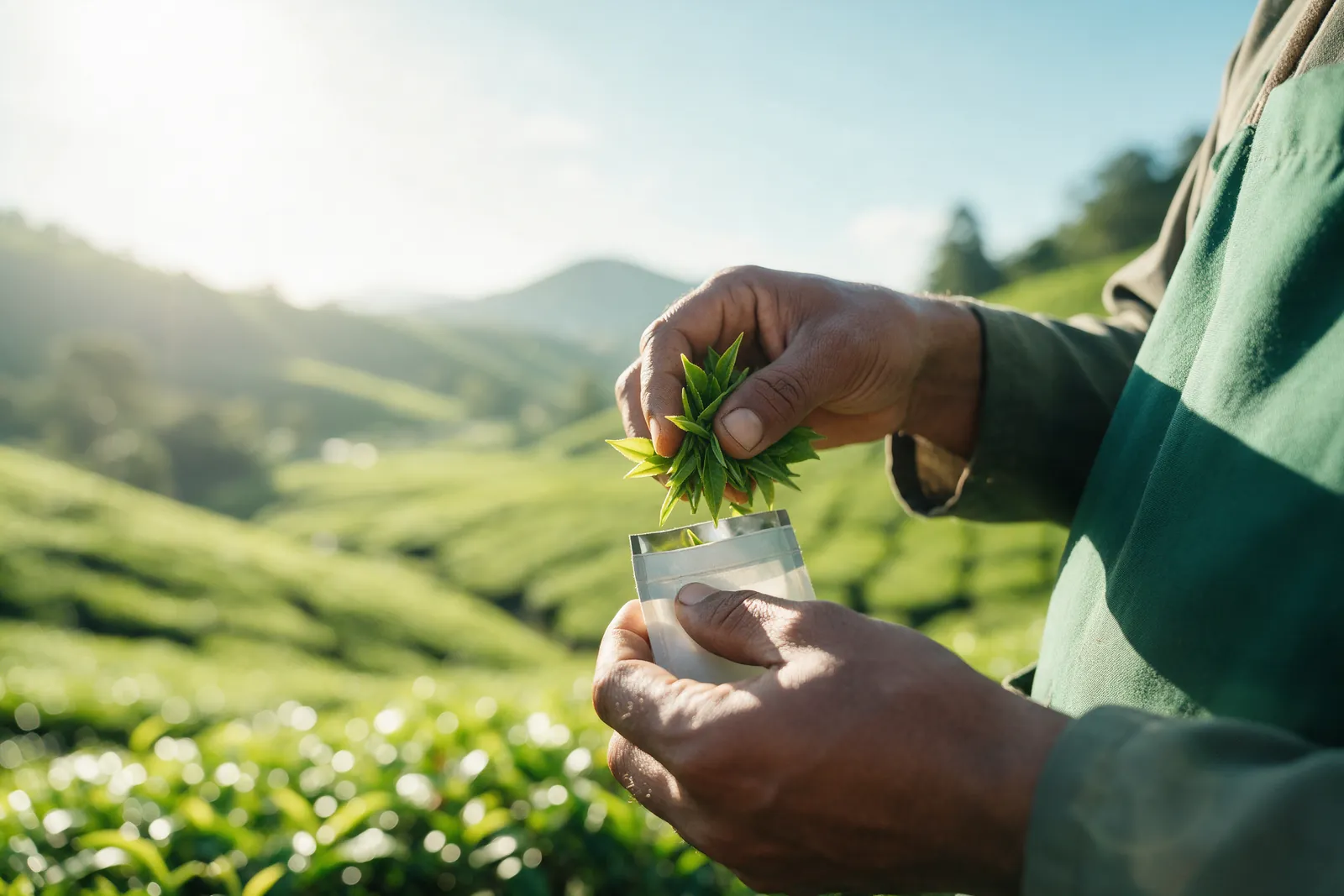
One of India’s most well-known exports is tea. The image of Indian tea is based on quality management. Customers require uniformity in taste, aroma, and safety. Until they reach the consumer, problems are not identified without testing. These threats include market rejection, regulatory fines, and health issues. Testing removes these losses and ensures that there is confidence in the Indian tea industry.
Understanding Tea Testing
Tea testing is not just a tasting of a brew. It is a systematic procedure that integrates laboratory testing and professional analysis. The objective is to demonstrate safety, purity and consistency. These samples are tested in the approved laboratories of the Tea Board of India. The accreditation provides credibility, and compliance will ensure that all batches comply with legal and international trade requirements.
Sample Collection
The testing process starts with good sampling. Tea is gathered in estates, warehouses, and auction centres. Processing is done using stringent measures to prevent contamination. Each step of the chain of custody is recorded. This will make the sample representative of the real quality of production. In the absence of proper sampling, the whole process becomes inaccurate.
Laboratory Testing
Samples are taken and brought to the laboratory. In this case, physical, chemical, and biological parameters are tested. Moisture is checked to avoid mould and spoilage. Sophisticated equipment is used to determine the presence of pesticide residues. Heavy metals are tested for safety. Bacteria and fungi are not present, as demonstrated by microbial tests. Each parameter provides a data point that can be used in the overall quality profile.
Sensory Testing
Lab results are necessary yet not sufficient. Human insight is offered by sensory testing. Tea tasters take into account aroma, flavour, colour and mouthfeel. They also sense the minutest changes that cannot be quantified by machines. Sensory analysis complements the information in the laboratory and forms a complete image.
Compliance with Standards
The Tea Board of India establishes quality standards. Samples that do not meet them are discarded. Lots that are compliant are traded and exported. This process maintains the image of Indian tea both locally and internationally. Frequent testing saves companies from losing reputation and being banned from exports.
The Rationale of Why Businesses Need Tea Testing
Tea testing protects brand credibility for producers, reduces the risk of consignment rejection for traders, and ensures international regulations for exporters. Without testing, a single batch can destroy long-term contracts. Unsafe or low-quality tea is a reputation crisis for consumer-oriented companies. Testing protects all the links of the supply chain.
Parameters Tested in Tea
- The possible residues of pesticides left after cultivation
- Cadmium and lead are heavy metals.
- Growth of microbes such as mould and pathogenic bacteria
- Storage and freshness moisture levels
- Taster-rated flavour and aroma consistency
- Public Health and Consumer Safety
Millions of people drink tea every day. Any compromise in quality affects health. Excess pesticide residues or heavy metals cause direct risks. Microbial contamination is another level of risk. Unsafe tea is not allowed to enter the supply chain by being tested at each stage. This protects consumer health and creates confidence in the world.
Accredited Laboratories and the Role of Laboratories
Tea can only be tested in certified laboratories approved by the Tea Board. Such laboratories have stringent procedures and sophisticated equipment. Accreditation gives assurance that the test results are valid in the markets. Results are not credible in international trade without certification.
Technology in Tea Testing
Testing is enhanced by modern technology. Pesticide residues are detected by chromatography, heavy metals by spectroscopy, and safety against harmful organisms by microbiological assays. Automated systems minimize error, and data storage systems allow results to be tracked in case of an audit. Technology makes testing reliable and transparent.
Trade Compliance and Global Standards
Tea exports are subject to stringent importation controls in Europe, the US, and the Middle East. Each region imposes limits on residues and contaminants. Indian tea has to undergo these checks to be competitive. Periodic testing helps in easy clearance of customs and rejection of consignment. International standards are also followed, which maintain long-term trade relations.
Sustainability and Tea Testing
Testing to ensure the safety of agricultural practices maintains sustainability. In case the pesticide residues surpass the limits, producers must change their practices. Reduced toxic chemicals enhance the health of the soil and safety of the workers. Testing also prevents the waste of food since only safe tea is taken to markets. It creates environmental, social, and economic sustainability.
Tea Testing Cost and Business Value
The testing cost depends on the parameters and the number of samples. Although the expenses are immediate, the returns are much more. Goods that are cleared at customs are not delayed. When customers trust brands that are dedicated to quality, they become confident. The long-term savings are in the form of lower penalties, rejections, and market presence.
Incorporating Testing in Business Processes
Testing must be incorporated into regular activities; it cannot be a sporadic practice. Seasonal changes, storage, and transport introduce new risks. Businesses identify problems before they become serious by scheduling checks. Transparency enhances business reputation.
Future of Testing in India
The future will include artificial intelligence and IoT systems. AI will predict risks in real time based on historical data. IoT devices will wirelessly connect farm-to-consumer or storage and transport in real time. Farm-to-consumer traceability can be implemented using blockchain. These technologies will require altering testing so that Indian tea remains competitive.
Conclusion
The quality of tea in India is centered on testing tea. It ensures compliance, protects consumers’ health, and builds confidence in international trade. It is a value-added process at all levels, such as sampling, laboratory, and sensory analysis. Credited providers must possess technical skills and international recognition to produce credible outcomes. One such partner is ISSPL. Laboratories, state-of-the-art technologies, and years of experience accredited by ISSPL help the Indian tea industry to reach consistent quality and long-term success.